
Electrical systems are one of the most important, and most overlooked, parts of any home.
When everything is working properly, it’s easy to forget your wiring, outlets, and breaker panel are doing heavy lifting 24/7. But when something goes wrong, it can go wrong fast. From small shocks and flickering lights to damaged appliances and house fires, electrical problems are not the kind of issue you want to “wait and see” on.
If you’re a homeowner in Jacksonville, Florida, you face a unique mix of factors that can impact electrical safety: humidity, salt air near the coast, storm seasons, aging neighborhoods with older wiring, and newer construction with high electrical demand (EV chargers, smart home devices, pool equipment, outdoor kitchens, and more). The good news? You can dramatically reduce the risk of electrical hazards by knowing what to look for, keeping up with maintenance, and calling a licensed electrician when something feels off.
In this guide, we’ll cover practical electrical safety tips every homeowner should know — and explain when it’s time to contact a professional electrician in Jacksonville.
Why Electrical Safety Matters (More Than Most People Realize)
Electricity is powerful, invisible, and unforgiving. Unlike a leaky faucet or a squeaky door, electrical issues can be dangerous long before they become obvious. According to the National Fire Protection Association, electrical distribution and lighting equipment are a leading cause of home structure fires. Many of these incidents start with everyday items: outlets, extension cords, overloaded circuits, and aging electrical panels.
Electrical safety isn’t about living in fear — it’s about knowing the warning signs and taking smart precautions. A safe electrical system keeps your home protected, your family secure, and your property value strong.
1) Know the Warning Signs of Electrical Trouble
Many homeowners ignore early symptoms because they seem minor or inconsistent. But electrical problems rarely fix themselves. If you notice any of the issues below, it’s time to investigate.
- Flickering or dimming lights (especially when major appliances turn on)
- Warm outlets or switch plates
- Buzzing, crackling, or popping sounds from outlets, switches, or the panel
- Burning smells (this one is urgent — shut off power and call immediately)
- Frequent breaker trips or blown fuses
- Sparking outlets when plugging something in
- Loose outlets or plugs that won’t stay seated
- Shocks or tingling sensations when touching appliances or switches
Jacksonville homeowner tip: If you live in an older neighborhood (Riverside, San Marco, Avondale, Arlington, etc.), you may have aging wiring or outdated panels that weren’t designed for modern electrical demand. If these symptoms are happening regularly, it’s worth having your system inspected.
2) Don’t Ignore Breaker Trips — They’re Doing Their Job
Your breaker panel exists to protect your home. When a breaker trips, it’s usually telling you one of three things:
- The circuit is overloaded
- There’s a short circuit
- There’s a ground fault
Resetting a breaker once isn’t necessarily a big deal. But if you’re resetting the same breaker repeatedly, you’re masking an underlying hazard. Over time, that can lead to overheated wires, damaged insulation, and increased fire risk.
Best practice: If the breaker trips more than once — especially within a short window — stop using that circuit and call a licensed electrician in Jacksonville to diagnose the issue properly.
3) Avoid Overloading Outlets and Circuits
One of the most common causes of electrical problems in homes is simple overload. Today’s families often run far more devices than homes were originally built to support: gaming systems, multiple TVs, air fryers, microwaves, espresso machines, charging stations, computers, home offices, and more.
Signs of overload include warm outlets, frequent breaker trips, and lights dimming when appliances start. A few key tips:
- Never plug high-wattage appliances (space heaters, microwaves, air conditioners) into power strips.
- Limit what runs on one circuit — especially in kitchens, laundry rooms, and garages.
- Don’t “daisy chain” power strips (plugging one into another).
- Upgrade circuits if you’re consistently pushing capacity.
Jacksonville-specific note: Many Florida homes use garages as workshops, gyms, or storage spaces — and homeowners often add extra refrigerators, freezers, or tools. If you’ve got multiple high-draw items in your garage, a dedicated circuit upgrade may be the safest move.
4) Test Your GFCI Outlets (Especially Near Water)
GFCI outlets (Ground Fault Circuit Interrupters) are designed to prevent electrocution by shutting off power if they detect an imbalance in current flow. You typically find them in:
- Kitchens
- Bathrooms
- Garages
- Laundry rooms
- Outdoor outlets
- Pool areas
But here’s the part most homeowners don’t realize: GFCIs can fail over time. That means an outlet might look fine and still not protect you properly.
How to test a GFCI outlet:
- Press the TEST button — the outlet should click and cut power.
- Press the RESET button — power should return.
If it doesn’t work correctly, it’s time to replace it.
Coastal Jacksonville tip: Homes near Jacksonville Beach, Neptune Beach, Atlantic Beach, and Ponte Vedra Beach often deal with corrosion from salt air. That can impact outdoor outlets and pool equipment over time. GFCI protection is essential.
5) Keep Extension Cords Temporary (Not Permanent)
Extension cords are meant for short-term use — not as a permanent wiring solution. The danger comes when cords overheat, get pinched, frayed, or run under rugs where heat builds up unnoticed.
If you’re relying on extension cords long-term, your home likely needs:
- Additional outlets
- A circuit upgrade
- Better outlet placement
A licensed electrician can add outlets cleanly and safely — and in many cases, it’s more affordable than homeowners expect.
6) Keep Your Electrical Panel Safe and Up to Date
Your breaker panel is the heart of your electrical system. If it’s outdated, damaged, or undersized, your entire home is at risk. Some common panel issues Jacksonville homeowners run into include:
- Rust or corrosion inside the panel
- Water intrusion from storms or humidity
- Loose breakers or burn marks
- Insufficient amperage for modern needs
If your home is older and still has a 100-amp panel (or if you’ve added major electrical loads over the years), it may be time to consider a panel upgrade. Modern homes often need 200 amps to safely support today’s appliances, HVAC systems, and tech.
Storm season reminder: After major Jacksonville thunderstorms or hurricane activity, it’s smart to check for water intrusion near your panel, outdoor outlets, and service mast. Water and electricity do not mix — and moisture can lead to corrosion or dangerous short circuits.
7) Use the Right Bulbs and Fixtures
This one surprises people: using the wrong bulb can be a real safety hazard. If a fixture is rated for 60W and you install a 100W bulb, the extra heat buildup can damage wiring and increase fire risk.
Also, always make sure fixtures are rated for their location:
- Damp-rated fixtures for bathrooms, covered patios
- Wet-rated fixtures for outdoor exposure
For Jacksonville homes with patios, lanais, pools, and outdoor kitchens, using the right fixtures is key to long-term safety and durability.
8) Childproofing and Pet-Proofing Your Electrical System
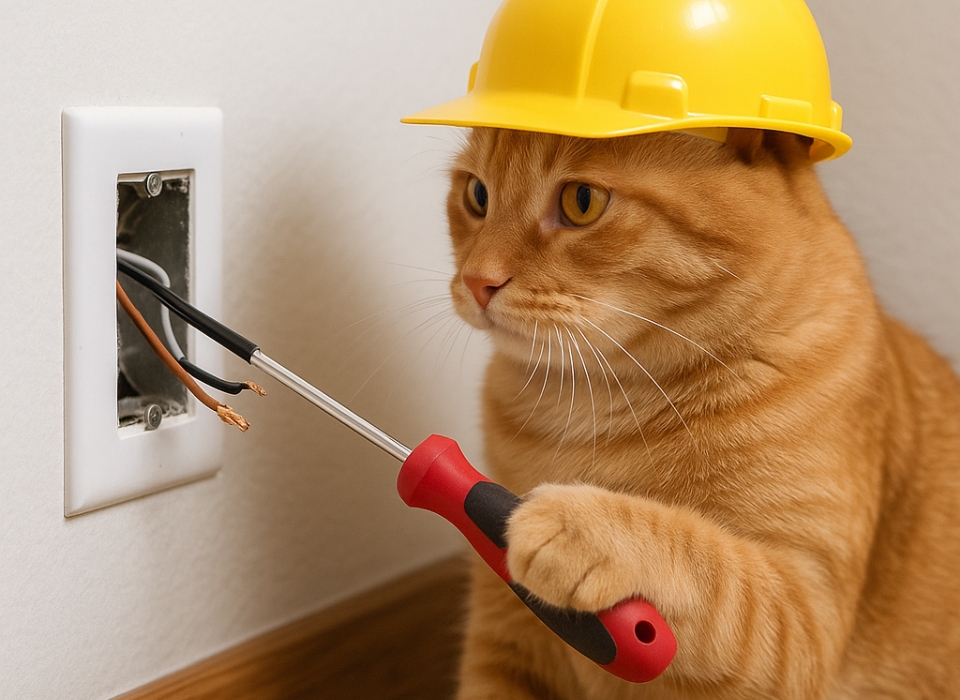
We love a playful theme — but in real life, kids and pets truly do create unique electrical risks. Curious hands and paws can lead to accidents.
Simple electrical safety upgrades include:
- Installing tamper-resistant outlets
- Using outlet covers where needed
- Keeping cords tucked away and secured
- Replacing loose outlets (which can expose energized parts)
If you have pets that chew cords, prioritize replacing damaged cords immediately. A chewed cord can become a shock hazard or fire hazard quickly.
9) Never DIY What You’re Not Qualified For
You can safely handle certain home tasks — like changing light bulbs, resetting breakers once, or testing outlets. But anything beyond that can be dangerous if you’re not trained.
In Jacksonville, electrical work often requires permits and must meet code standards. DIY electrical repairs can also cause insurance issues if something goes wrong. If you’re unsure, the safest move is always to call a licensed electrician.
Common jobs that should always be done by a professional:
- Breaker panel repairs or upgrades
- New circuits and dedicated appliance lines
- Outdoor wiring and landscape lighting
- EV charger installation
- Ceiling fan installs (especially if wiring is questionable)
- Rewiring projects
When to Call a Jacksonville Electrician
Here’s a simple rule: if the electrical issue involves heat, smell, sparks, repeated breaker trips, or shocks — it’s time to call immediately.
Otherwise, call when you want to improve safety or prevent future problems, such as:
- You’re renovating or updating an older home
- You’ve added more appliances or equipment over time
- You want to upgrade to safer outlets, lighting, or panel capacity
- You suspect outdated wiring
Happy Cat Electric: Safe, Clean, Professional Electrical Work in Jacksonville
At Happy Cat Electric, we believe electrical work should be done the right way — clean, safe, and built to last. We proudly serve homeowners throughout Jacksonville and Northeast Florida with reliable residential electrical services designed to keep your home safe, comfortable, and running efficiently.
If you’re seeing warning signs, planning upgrades, or simply want peace of mind, we’re here to help.
Need an electrician in Jacksonville, FL? Contact Happy Cat Electric today to schedule service or request an electrical safety inspection.
Schedule service and keep your home safe and purring.